
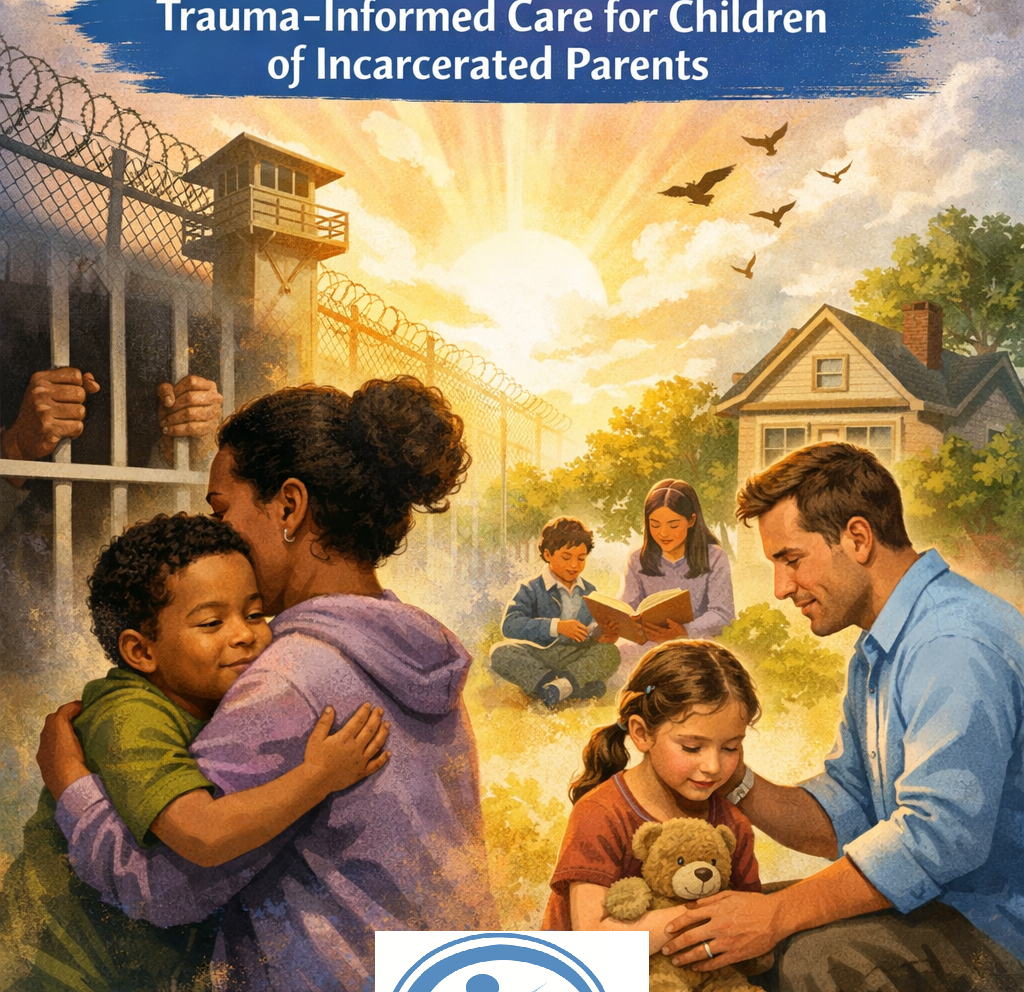
Safe & Strong: Trauma-Informed Care for Children of Incarcerated Parents

- 6 Sections
- 39 Lessons
- 5 Quizzes
- 6h Duration
Module 1: Understanding Trauma in Children of Incarcerated Parents
- 1.1 What is Trauma
- 1.2 Types of Trauma for Children of Incarcerated Parents
- 1.3 Ambiguous Loss
- 1.4: How Parental Incarceration affects Children
- 1.5 The Trauma Response Cycle
- 1.6: Signs a Child Maybe Struggling with Trauma
- 1.7: What Trauma does to the Brain
- 1.8: Key Principle-Connnection Before Correction
- End of Module 1: Exercise: Recognizing Trauma Signals
- Module 1: Key Takeaways
- Module 1: Quiz
Module 2: Communication Strategies that Build Trust
- 2.1 Why Communication Matters?
- 2.2 Principles of Trauma Informed Communication
- 2.3 Understanding Barriers to Communication
- 2.4 Practical Communication Strategies
- 2.5 Communication in Difficult Moments
- 2.6 Using Trauma Informed Langauge
- 2.7 Building Trust Overtime
- End of Module 2: Exercise: Communication Strategies
- Module 2 Quiz (10 Questions)
Module 3: Emotional First Aid: Calming Meltdowns and Supporting Learning
Module 4: Case Studies from Jedidiah Trust Programs
Module 5: Toolkit Feel to Learn Exercises and Bonding Activities
Final Reflection Assessment: Be the Adult Every Child Needs
About Course
Children with incarcerated parents often face emotional, behavioral, social, and academic challenges — from anxiety and withdrawal to aggression and school difficulties. Yet many caregivers, teachers, and community workers lack the tools to respond effectively.
Thank you for reading this post, don't forget to subscribe!
This course equips you with practical, evidence-informed strategies to understand, recognize, and respond to trauma in these vulnerable children. Through five text-based modules, interactive exercises, and reflection activities, you will:
-
Understand the impact of parental incarceration on children’s emotional and cognitive development
-
Recognize signs of trauma, including externalizing and internalizing behaviors
-
Learn trauma-informed communication and intervention strategies
-
Explore real anonymized case studies from Jedidiah Trust programs
-
Apply practical tools, including exercises to support learning, emotional regulation, and bonding
By the end of this course, you will be able to create safe, supportive environments that help children thrive despite adversity.
Format: 5 modules, exercises, reflective activities, final quiz
Estimated Completion Time: 4-6 hours
Certificate: Certificate of Completion – Trauma-Informed Care for Vulnerable Children
“Be the adult every child needs when life feels upside down.”