
Collateral Convicts: The Children of Incarcerated Parents Paying the Price of Incarceration
By Lovemore Chikwanda
Thank you for reading this post, don’t forget to subscribe!Founder & Chief Executive Officer, Jedidiah Trust Zimbabwe
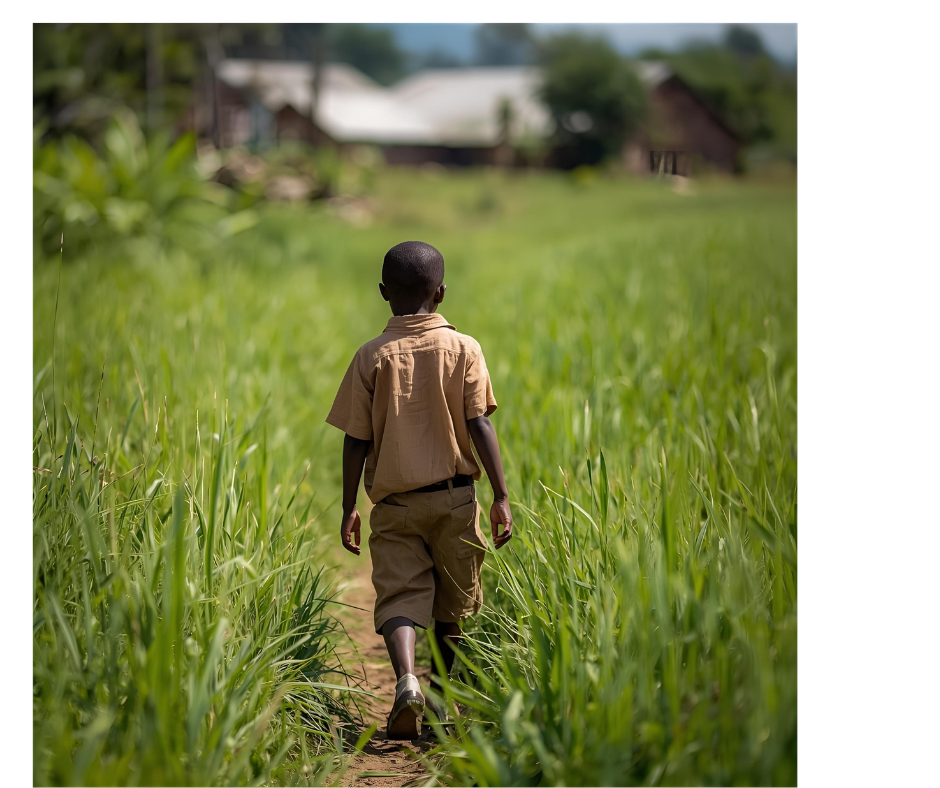
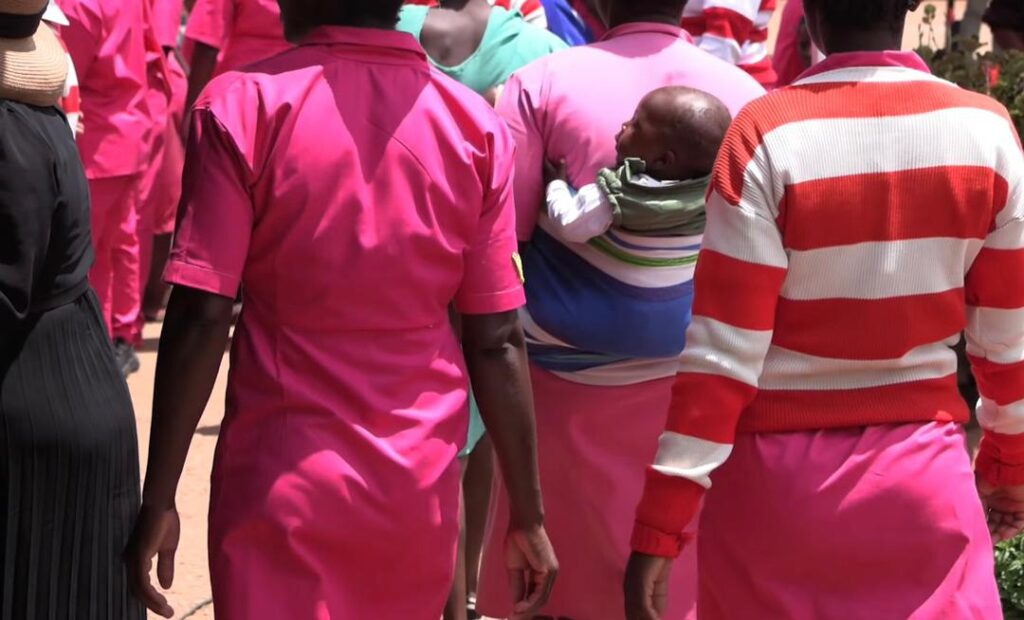
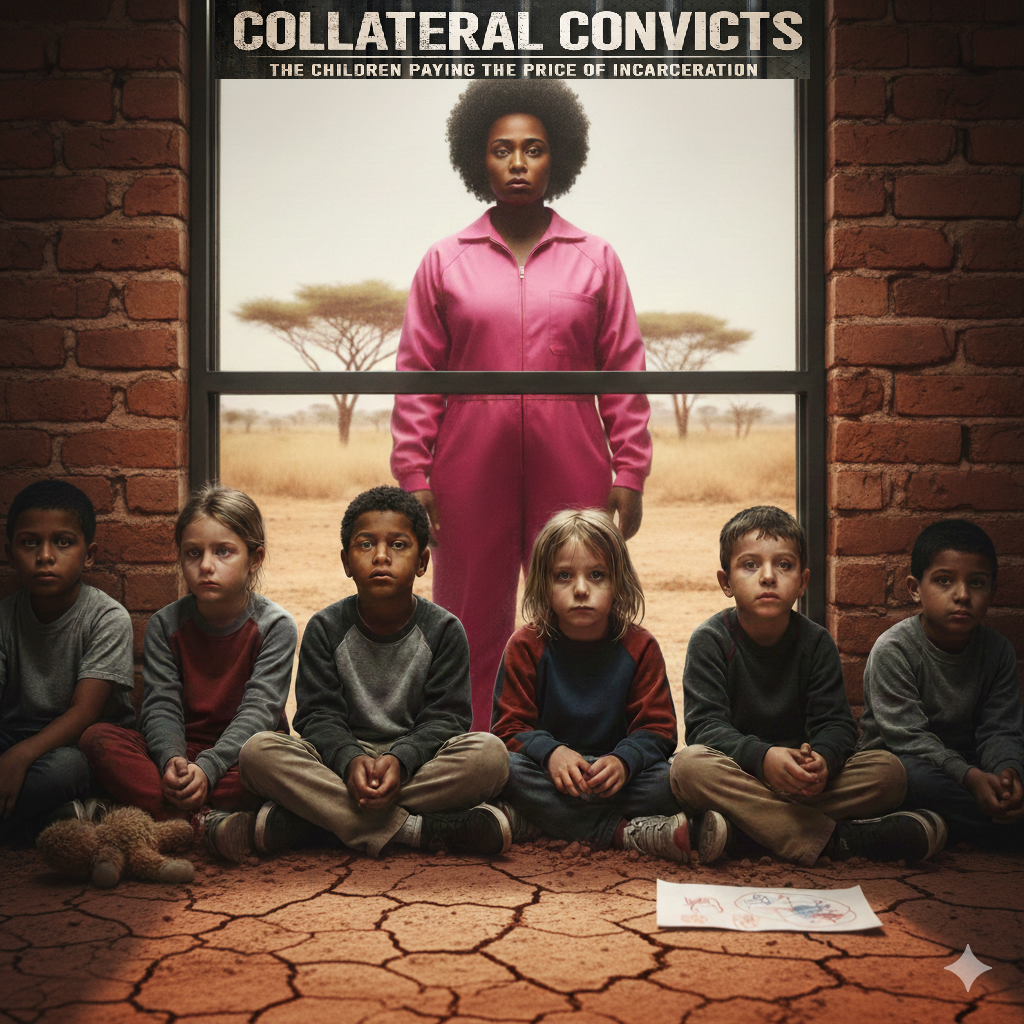
Children of incarcerated parents face unique challenges that affect their education, emotional well-being, and daily life. When a Zimbabwean court hands down a prison sentence, it names one offender. But in reality, it condemns many more. Across Zimbabwe, thousands of children are quietly serving sentences they never earned and not behind bars but in poverty, stigma, hunger and silence. These are the collateral convicts – (children) whose lives are upended by the imprisonment of a parent often their mother or primary caregiver. They do not appear in court records. They are never asked how the sentence will affect them. Yet they pay the price every day.
A Sentence That Begins at Home: At Jedidiah Trust, we work directly with women in prison and the children they leave behind. Behind every conviction file is a child whose world collapses overnight. I remember Tariro (name changed), a 12-year-old girl from Chitungwiza. Her mother was sentenced to prison after a petty economic offence. She was sent to live with her elderly grandmother in the rural areas. Within weeks, she stopped attending school. There was no money for fees. No uniform. No stationery. When we met her, she said quietly, “I think my mother went to prison because of me.” That sentence was never part of the court ruling but it has shaped Tariro’s childhood.
When Mothers Go to Prison, Children Fall Through the Cracks In Zimbabwe, women are often the primary caregivers and economic anchors of families particularly in low-income households. When a father is imprisoned, mothers usually absorb the shock. When a mother is imprisoned, children often lose everything at once from care, income, protection and emotional safety. Some children are absorbed by extended families already stretched beyond capacity. Others are sent to rural homes with grandparents surviving on pensions or subsistence farming. Some end up in institutional care. Many simply disappear from systems meant to protect them. Our child protection frameworks exist but they are rarely triggered automatically when a parent is arrested, sentenced or remanded. The criminal justice system moves swiftly while child protection responds slowly, if at all.
Growing Up Behind Bars Without a Conviction Some children remain with their mothers in prison, especially during infancy. While this preserves attachment, it exposes children to environments never designed for healthy development. At Chikurubi Female prison, we met a toddler who could identify prison keys before he could identify colours. His playground was concrete. His lullaby was the clang of metal doors. Zimbabwe is guided by international standards that say decisions about children residing in prison must be based on the best interests of the child. But in practice, these decisions are often driven by lack of alternatives rather than child-centred assessments. Prison should never become a substitute for social services.
The Psychological Toll: Invisible Scars Children of incarcerated parents suffer a form of grief that society rarely names. Their parent is alive yet unreachable. This “ambiguous loss” breeds anxiety, anger, withdrawal and deep shame. We have worked with boys who become aggressive at school not because they are violent but because they are hurting. Girls who withdraw, convinced they must be quiet so as not to become a burden. Children who fear authority because authority took their parent away. Without psychosocial support, these wounds harden into lifelong scars and increases the risk of intergenerational incarceration.
Education: The First Casualty of Incarceration In Zimbabwe, education is both a right and a fragile privilege. For children of imprisoned parents, it is often the first thing to collapse. School fees go unpaid. Teachers are not informed. Children are mocked for wearing torn uniforms or for having a parent in prison. Eventually, many drop out not because they lack intelligence but because survival takes priority over schooling. Every child forced out of school because a parent is in prison represents a system failure to protect the future not of the family, but of the state and society.
International Law and the Best Interests of the Child Zimbabwe is a signatory to the UN Convention on the Rights of the Child which requires that the best interests of the child be a primary consideration in all decisions affecting them. Children must also be protected from discrimination based on their parents’ status. International standards further encourage: —–Non-custodial sentences for primary caregivers where appropriate ——-Child impact assessments during sentencing -Maintaining family contact where it benefits the child The problem is not absence of law or policy. The problem is absence of implementation. Our justice system still largely treats incarceration as an individual event, when in reality it is a family and societal earthquake.
Why Society Must Care Children of imprisoned parents are not a marginal issue but they are a mirror reflecting the values of our justice systems and societies. When we ignore them, we normalize intergenerational punishment. When we support them, we interrupt cycles of crime, poverty and exclusion. Supporting these children is not an act of charity but an investment in social cohesion, public safety and national development.
Ending the Silent Sentence Every prison sentence casts a long shadow. In that shadow stand children who are quiet, resilient and forgotten. To call them collateral convicts is not to dramatize their pain but it is to name an injustice. And once named, injustice demands response. Let us build systems that punish crime without punishing childhood. Let us ensure that when a parent is sentenced, a child is safeguarded not sacrificed. Only then can we say that justice has truly been served.